People
Iris Orosia
CAMPOS BANDRÉS
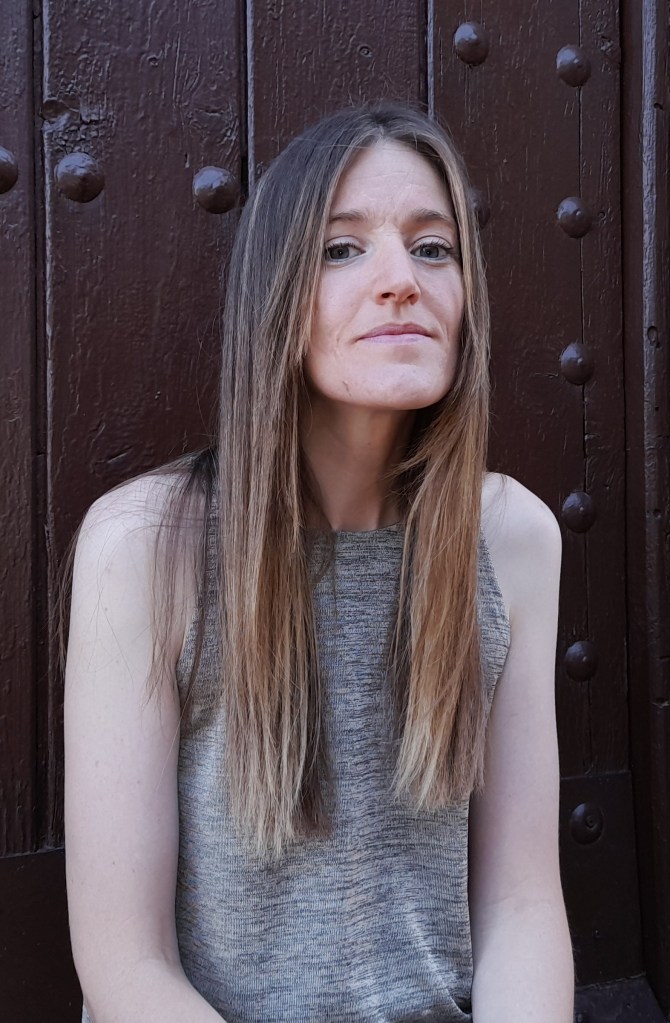
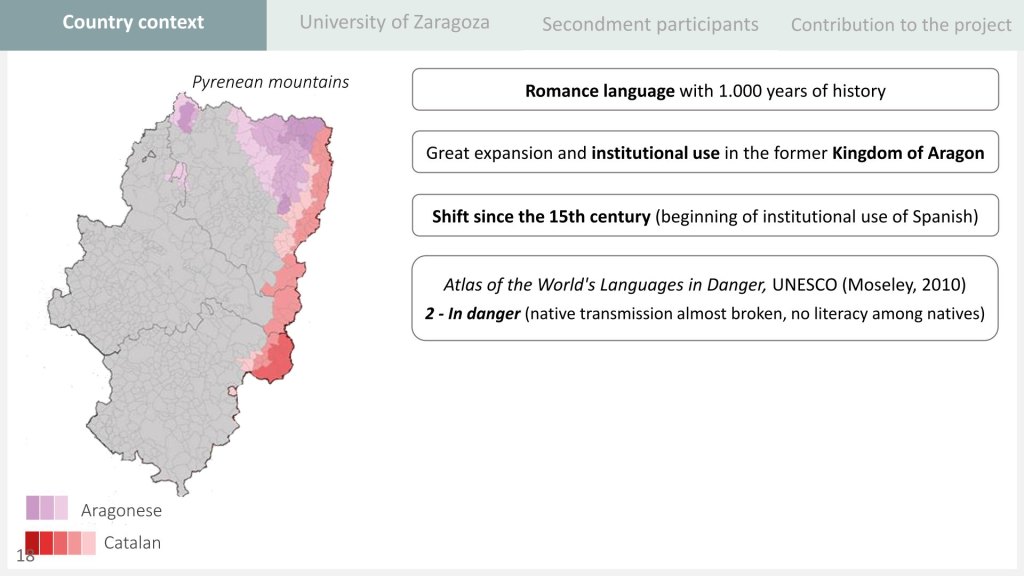
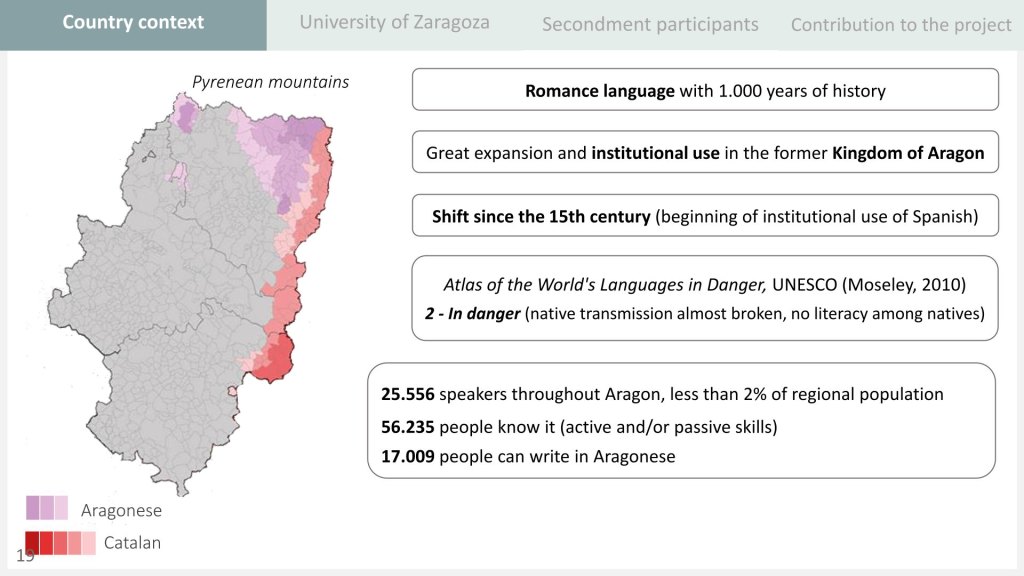
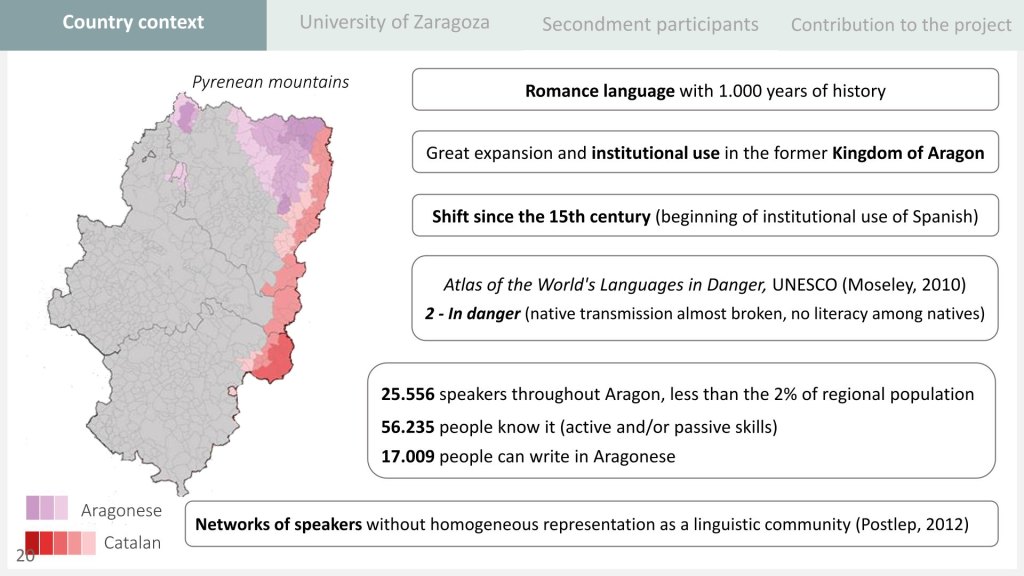
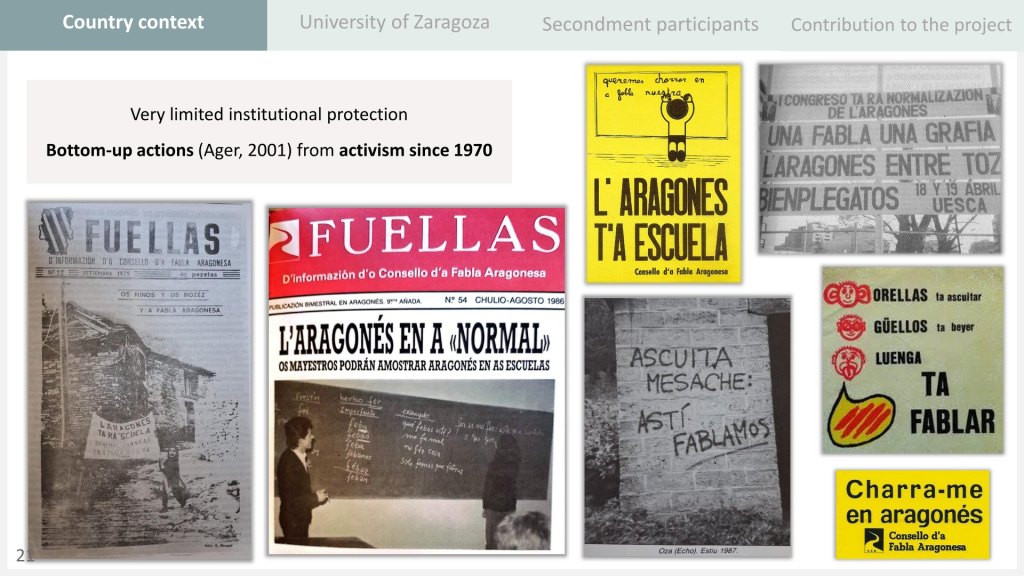
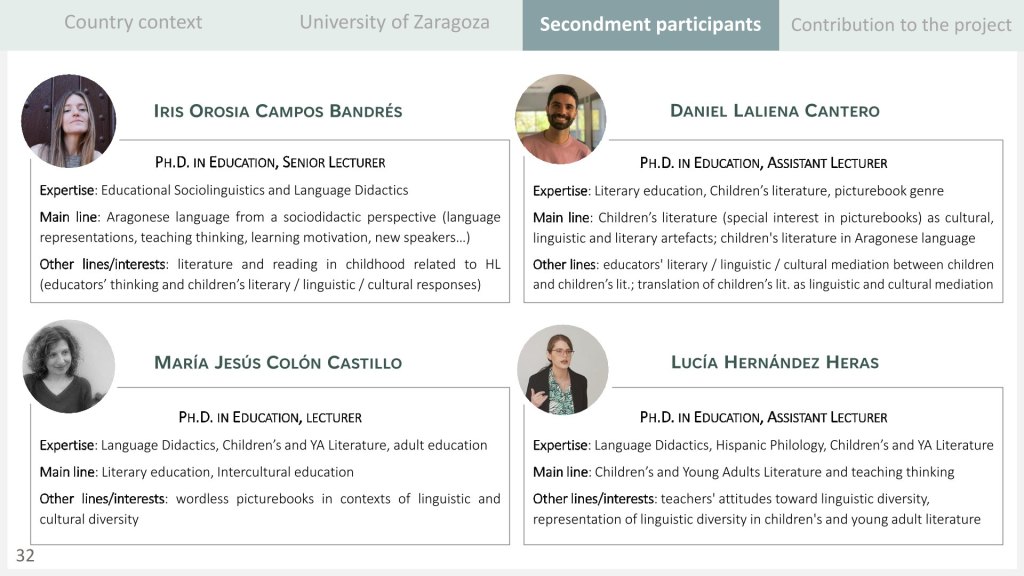
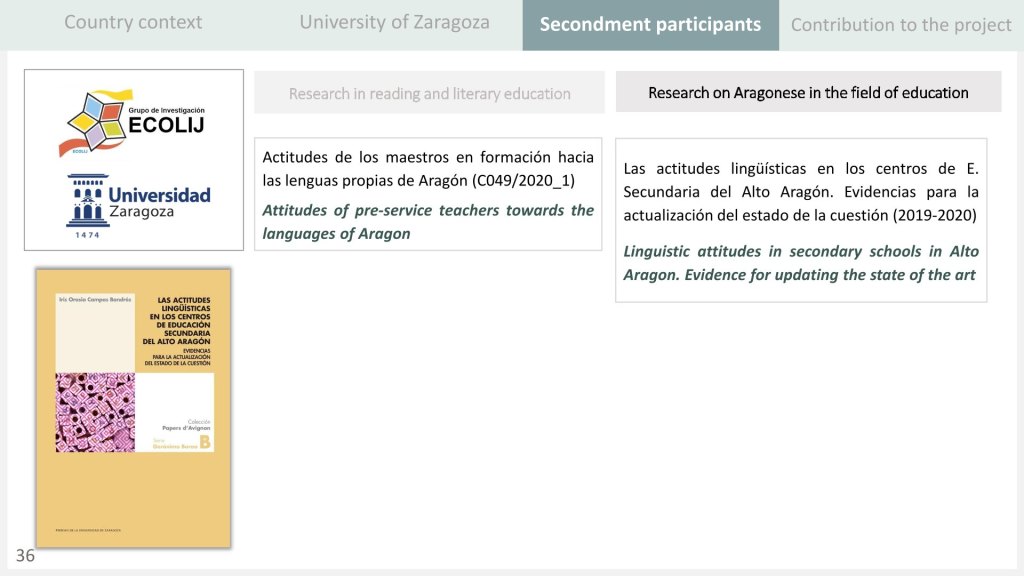
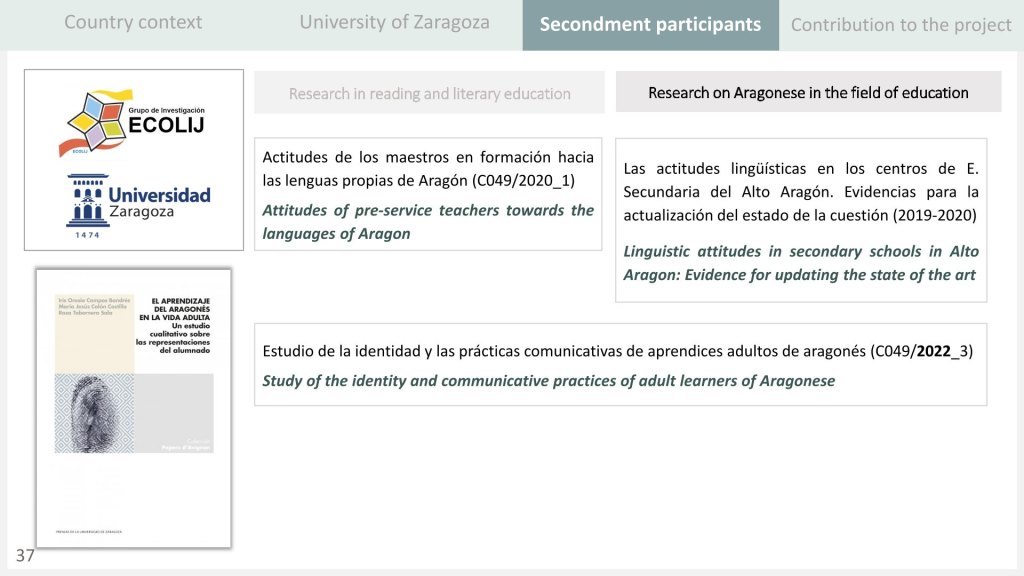
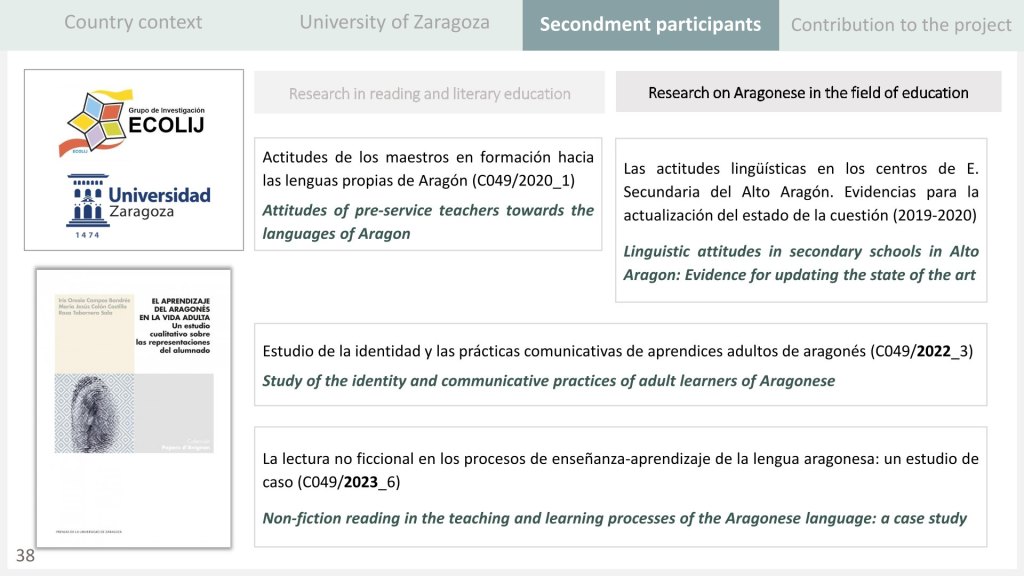
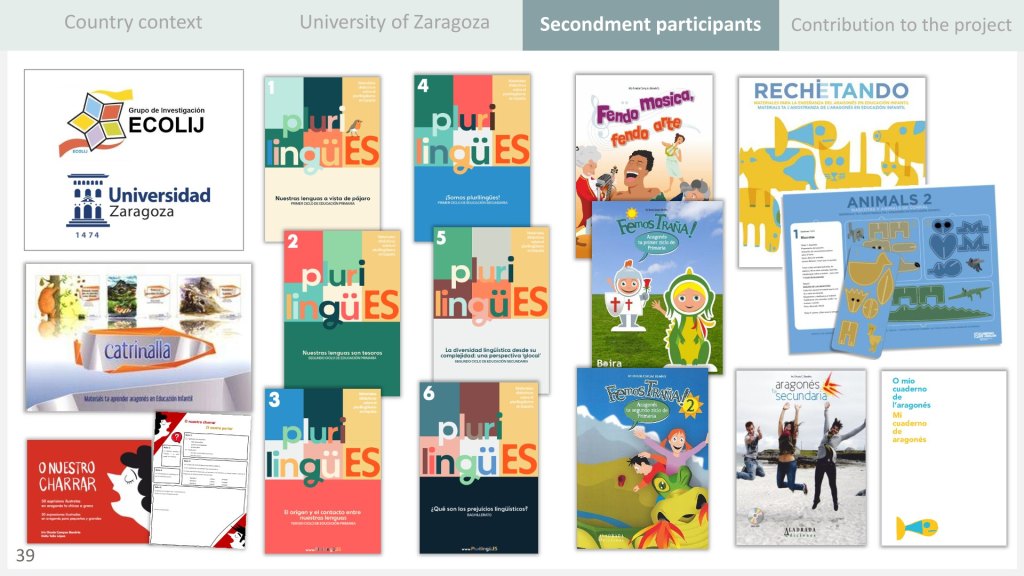
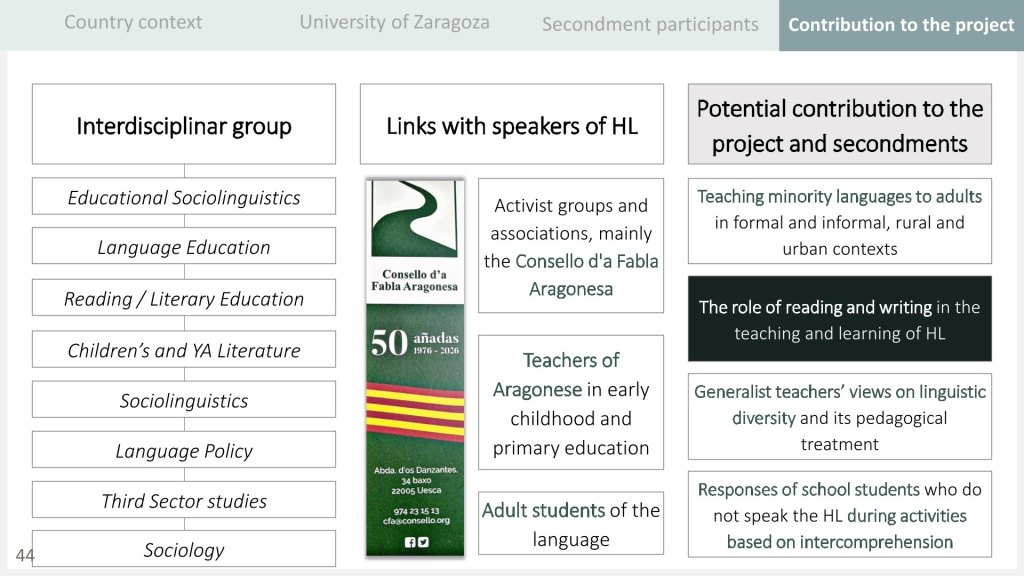
Iris Orosia Campos Bandrés has a PhD in Education and Senior Lecturer in the area of Language and Literature Didactics at the University of Zaragoza. Her research career is mainly focused on the study of the Aragonese language from sociolinguistic and didactic perspectives. She has published key monographs such as Learning Aragonese in Adulthood: A Qualitative Study on Learners’ Representations (2023), Language Attitudes in Secondary Education Schools in Upper Aragon (2021), and Minoritized Language and Education: Attitudes, Methodologies, and Learning Outcomes in the Case of Aragonese (2018).
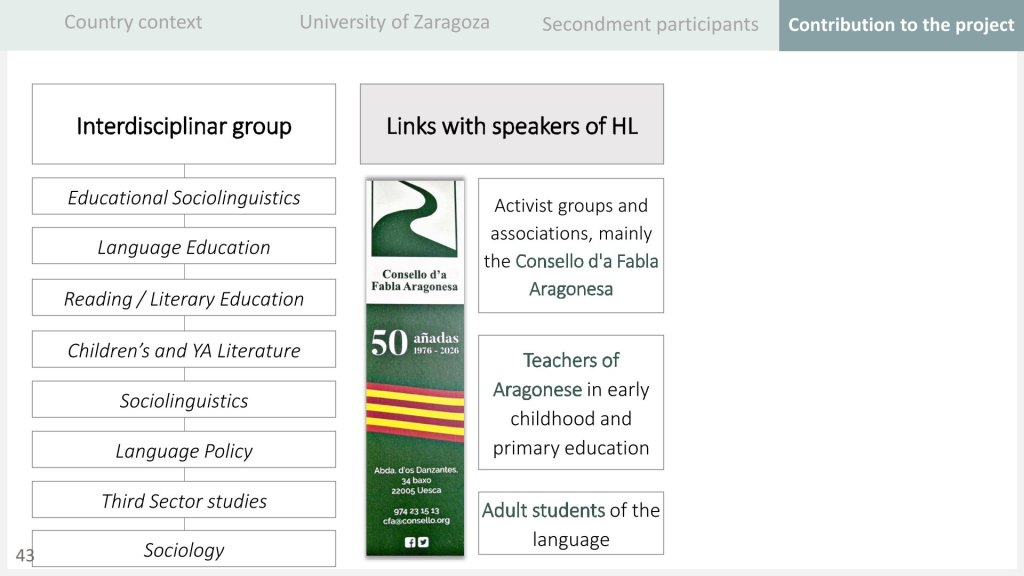
Her commitment to Aragonese is also reflected in knowledge transfer activities, particularly in collaboration with the Government of Aragon. She has participated in the adaptation of the CEFR to the certification of Aragonese language proficiency, as well as in the design and evaluation of official level examinations. She is a member of the cross-border laboratory PYRENLANG, focused on the study of multilingualism and minority languages in the Pyrenean region.
María Jesús
COLÓN CASTILLO
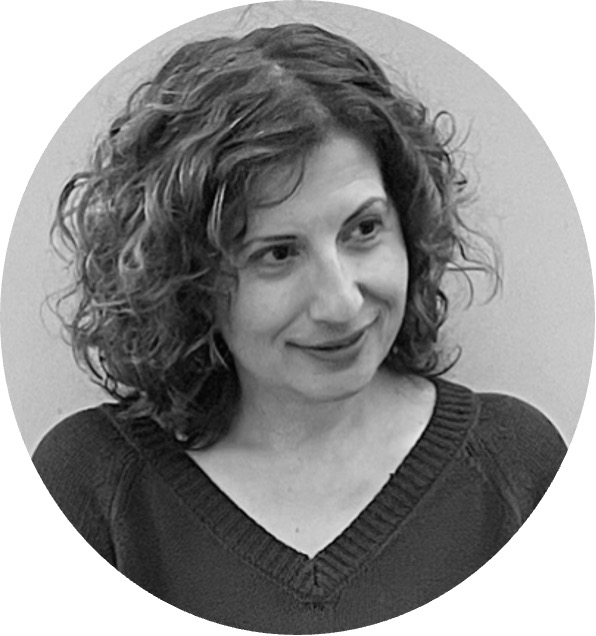
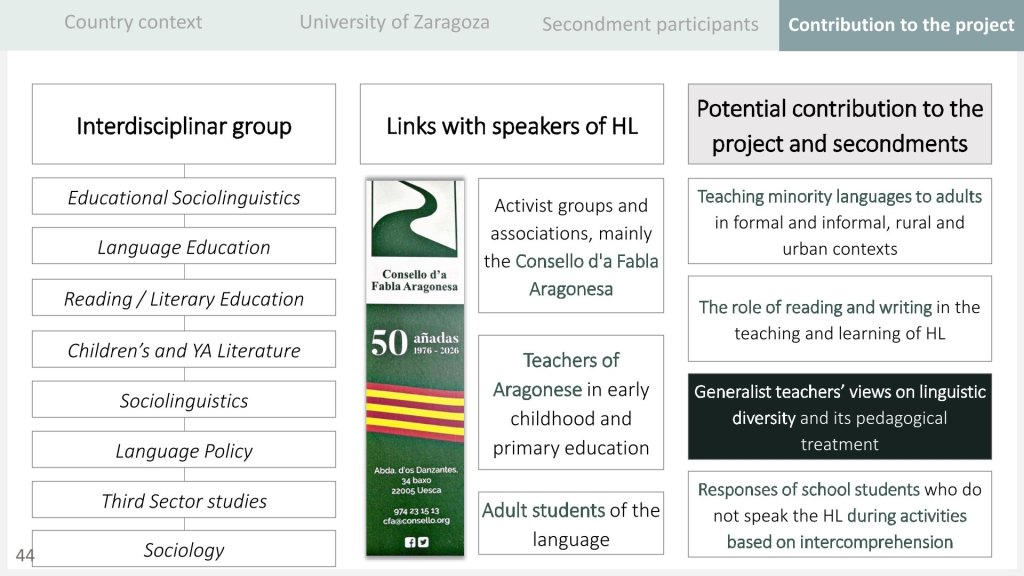
María Jesús Colón Castillo has a PhD in Education. She holds a degree in Hispanic Philology. She has postgraduate training in Theory of Education and Social Pedagogy; Applied Linguistics to the Teaching of Spanish as a Foreign Language; Reading, Books, and Children’s and Young Adult Literature; and Foundations of Language Teaching and Learning. She is Lecturer in the area of Language and Literature Didactics at the University of Zaragoza.
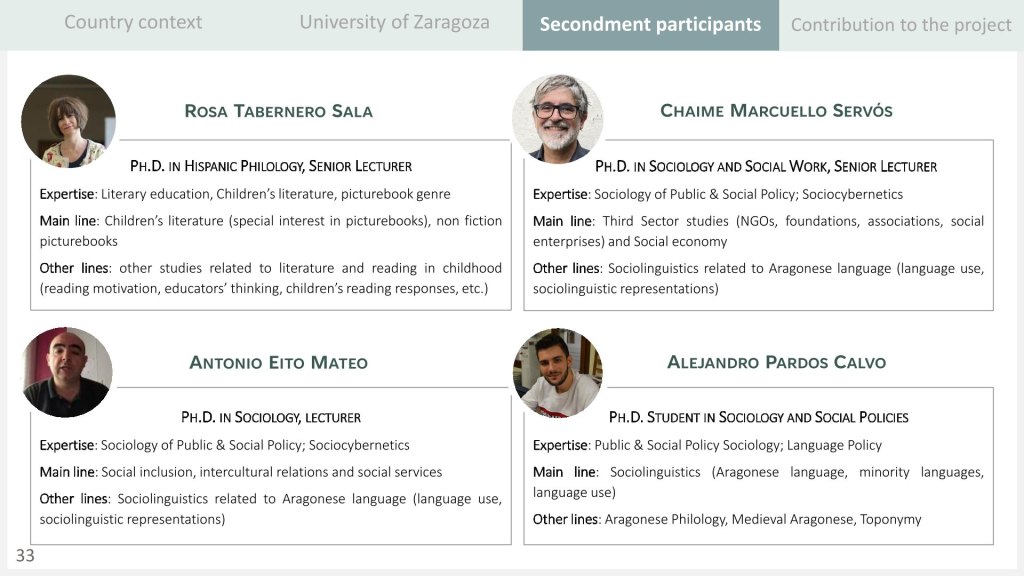
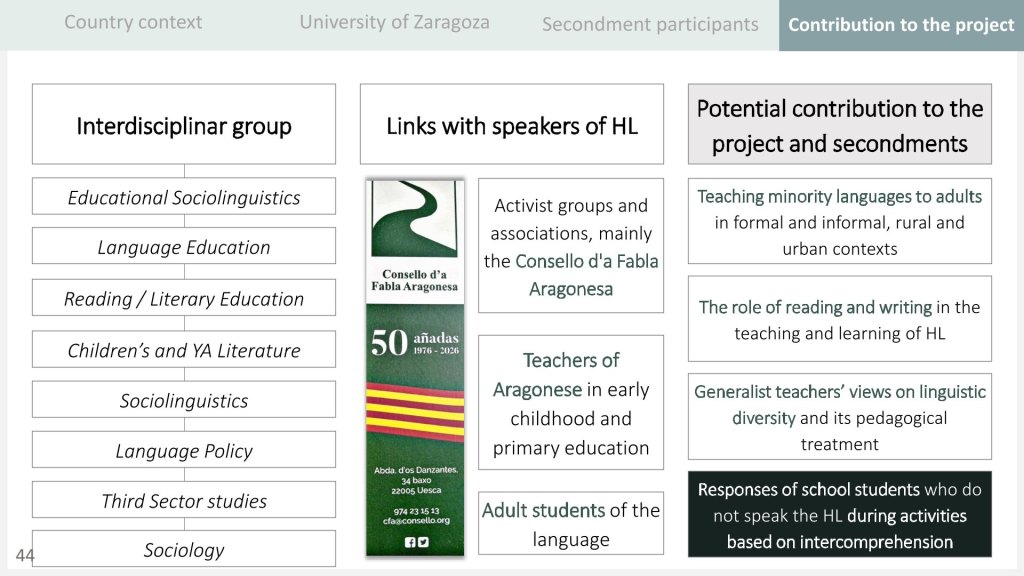
She is a member of the ECOLIJ research group. Her main research lines focus on wordless picturebooks, the book as an object, reader development in libraries and rural contexts, and language education in intercultural settings. She has conducted research on representations of the Aragonese language among adult learners and pre-service teachers. She is the author of teaching materials for Spanish as a second language aimed at migrant students, developed in collaboration with the Spanish Ministry of Education.
Antonio EITO MATEO
Antonio Eito Mateo holds a PhD in Sociology and is Lecturer in the क्षेत्र of Social Work and Social Services at the University of Zaragoza. His research interests focus on the following areas: language and culture, sociology of education, social services, interracial relations, poverty, and social welfare.
He has participated in major projects linked to the Johan Ferrández d’Heredia Chair of Aragonese Languages and Intangible Heritage at the University of Zaragoza and the Government of Aragon, focused on the study and analysis of language use in relation to the Aragonese language. These include the adaptation of sociolinguistic research tools to the Aragonese context and the production of reports on the evolution of its vitality in areas where it is predominantly used. His interests span sociolinguistics, qualitative research, and social innovation, contributing to the understanding and preservation of Aragonese as a cultural heritage.
Lucía HERNÁNDEZ HERAS
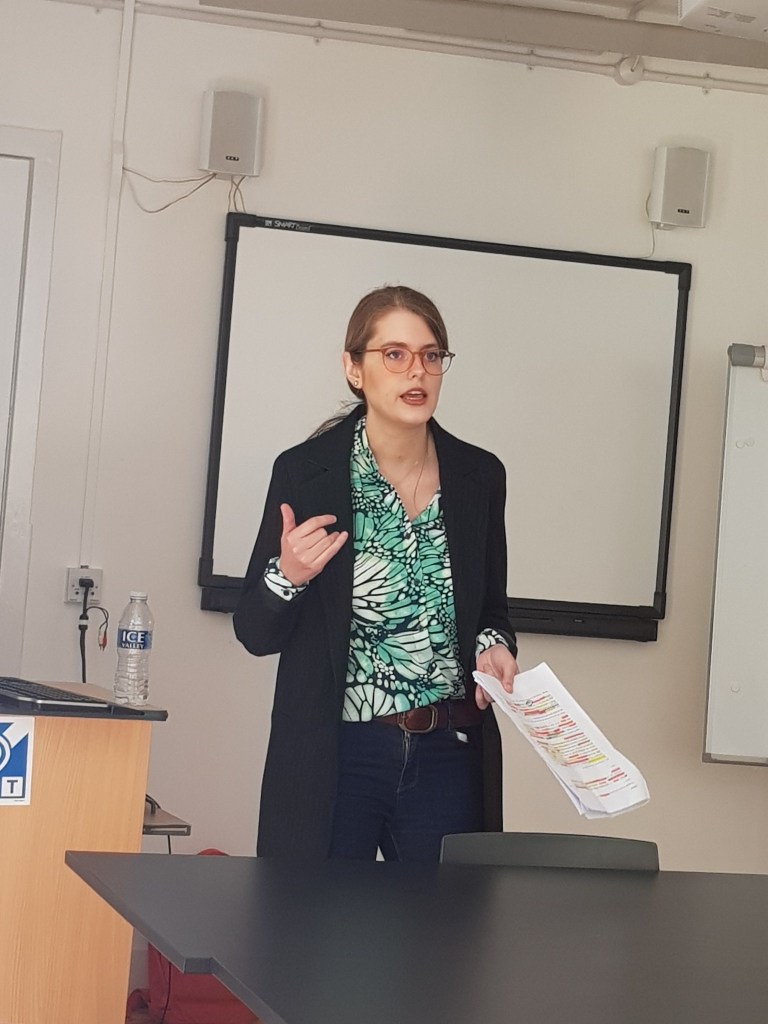
She holds a degree in Journalism and Hispanic Philology and a PhD in Education. She has postgraduate training in Children’s and Young Adult Literature, Language Teaching Didactics, and Educational Research. She is an Assistant Professor in the Department of Specific Didactics at the University of Zaragoza, in the area of Language and Literature Didactics.
She is a member of the ECOLIJ research group. Her main research lines focus on teacher cognition, the teaching of literary classics, and the influence of the media on reading practices. Her research interests also include the representation of linguistic diversity in contemporary young adult literature. Advocating for the relevance of a mixed-methods approach, she has participated in the design, translation, validation, and analysis of various research instruments, and has also been involved in other research processes based on qualitative techniques and methods, such as interviews, focus groups, and non-participant observation.
Daniel LALIENA CANTERO
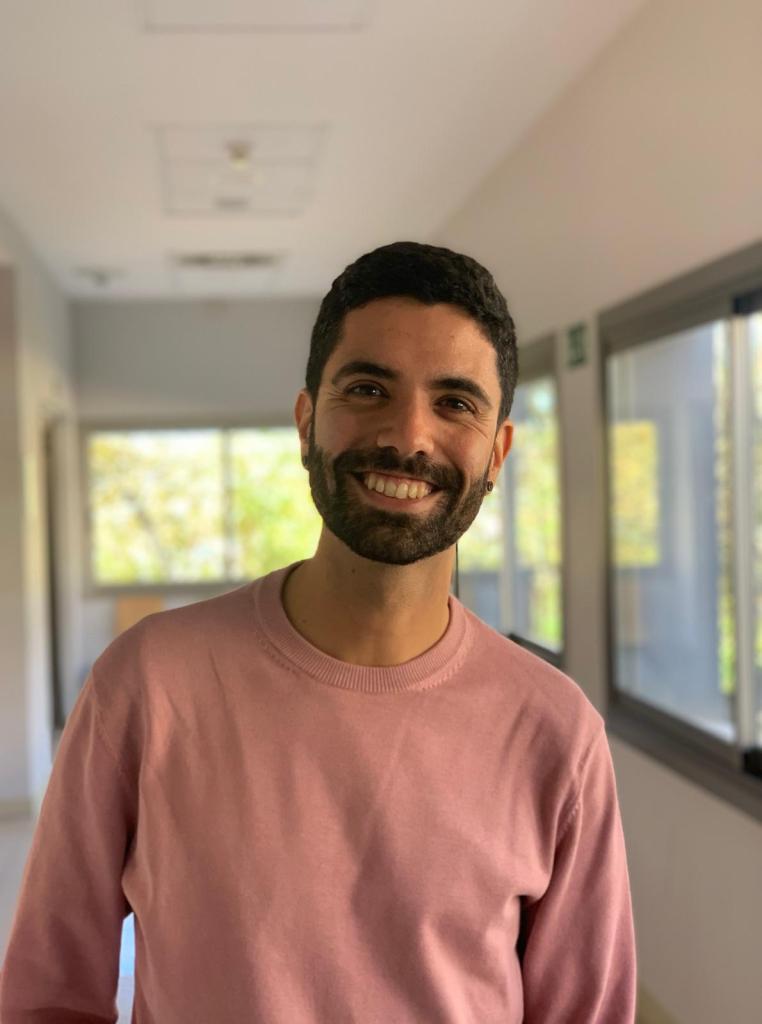
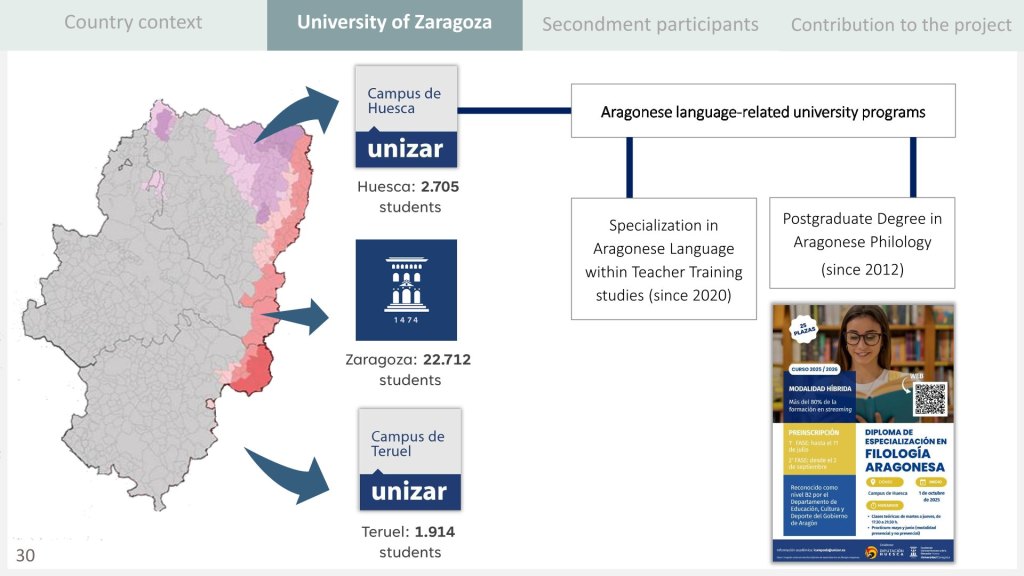
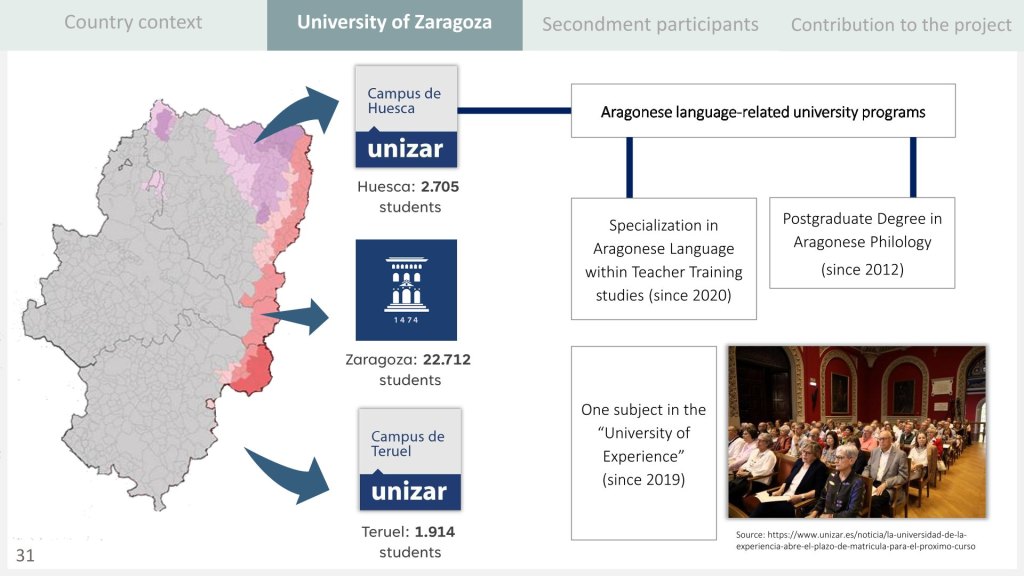
Daniel Laliena Cantero holds a degree in Primary Education and a PhD in Education from the University of Zaragoza. He is an Assistant Professor in the area of Language and Literature Didactics. His postgraduate training includes a Master’s in Reading, Books, and Children’s and Young Adult Literature and a Diploma in Aragonese Philology. In this field, he has taught elective courses aimed at introducing pre-service teachers to the Aragonese language.
He is a member of the ECOLIJ research group and participates in various R&D&I projects focused on reading and literary education. His main research line focuses on children’s and young adult literature, particularly the picturebook as a cultural, linguistic, and literary artefact. He has also developed studies on children’s literature in the Aragonese language. His interests also include educational mediation and the translation of children’s literature as key processes in reader development.
Chaime MARCUELLO SERVÓS
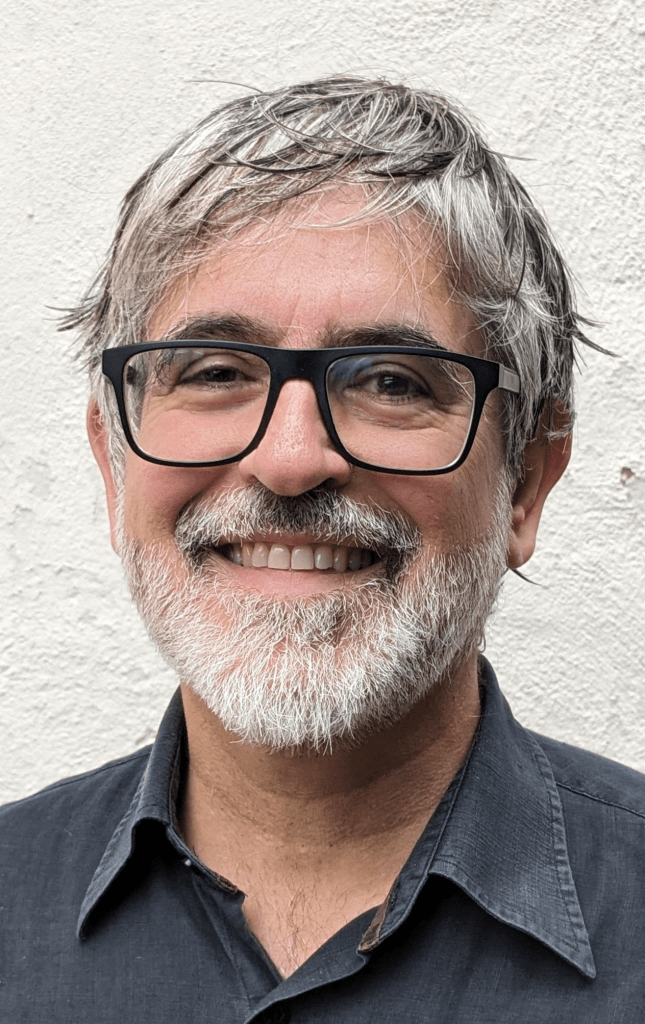
Chaime Marcuello Servós has a PhD in Sociology. He is Senior Lecturer in Social Work and Social Services at the University of Zaragoza, where he also serves as Vice-Dean for Academic Planning and Quality at the Faculty of Social and Labour Sciences. He has coordinated master’s and doctoral programmes in Sociology of Public and Social Policies. He has been a visiting professor at several universities in Latin America and maintains an active international profile.
His research work spans more than forty funded projects and numerous collaborations with public and private institutions, notably serving as principal investigator in European initiatives on cultural heritage. In the field of sociolinguistics, since the late 1990s he has developed a research line on the Aragonese language focused on the analysis of its usage, vitality, and its recognition as cultural heritage. His interests also include sociocybernetics, teaching innovation, and third-sector studies.
Alejandro PARDOS CALVO

He holds a Degree in Modern Languages and a postgraduate qualification in Aragonese Philology. He is a PhD researcher in Sociology of Public and Social Policies, with a specialization in language policy and the sociolinguistics of minority languages. He carries out his academic work at the University of Zaragoza, where he participates in projects focused on the study of the Aragonese language from an interdisciplinary perspective. His main research line focuses on the analysis of the social use of the Aragonese language, as well as language attitudes, intergenerational transmission, and its role as cultural heritage.
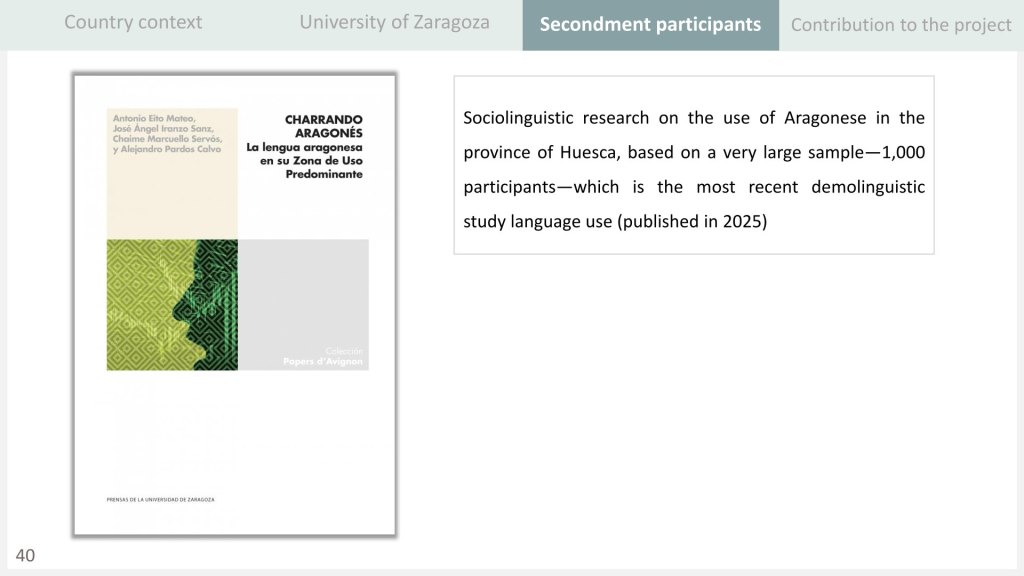
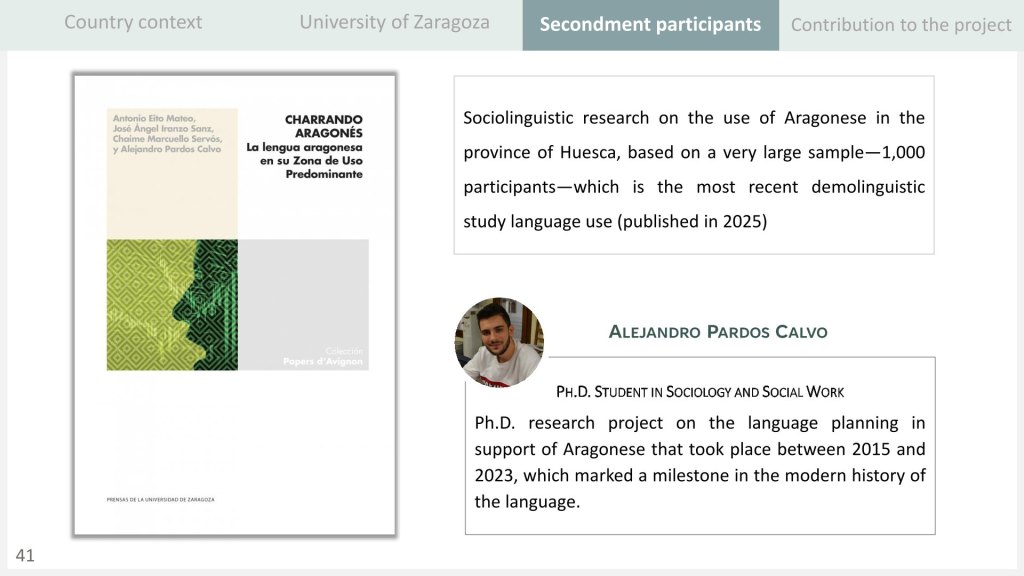
In this field, he has co-authored reference studies such as Charrando aragonés. The Aragonese Language in Its Predominant Usage Area (2025), based on extensive fieldwork involving sociolinguistic surveys across the territory. He has also participated in research on the relationship between language and local development in the context of tourism.
Rosa TABERNERO SALA
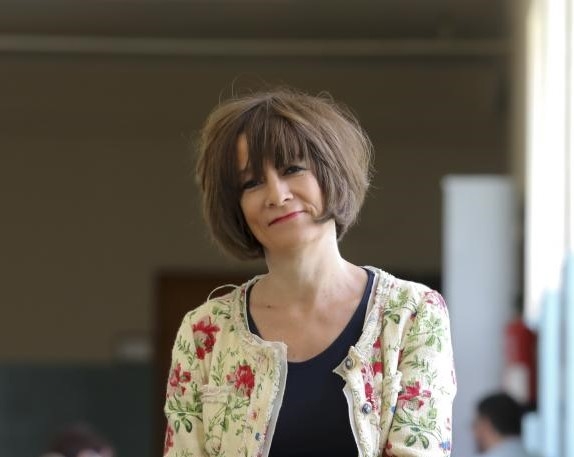
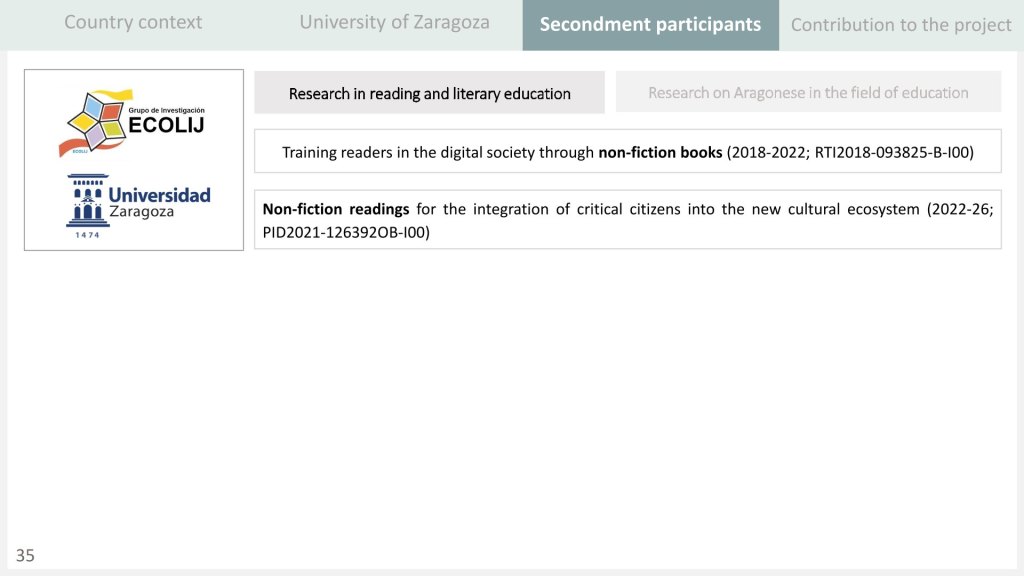
Rosa Tabernero Sala holds a PhD in Hispanic Philology. She is Senior Lecturer in the area of Language and Literature Didactics at the University of Zaragoza. She is the Principal Investigator of the ECOLIJ Research Group (S61_23R) (Communicative and Literary Education in the Information Society. Children’s and Young Adult Literature in the Construction of Identities) and of the national project Non-fiction Reading for the Integration of Critical Citizens in the New Cultural Ecosystem (PID2021-126392OB-I00). She directs the Master’s Degree in Reading, Books, and Children’s and Young Adult Readers at the University of Zaragoza.
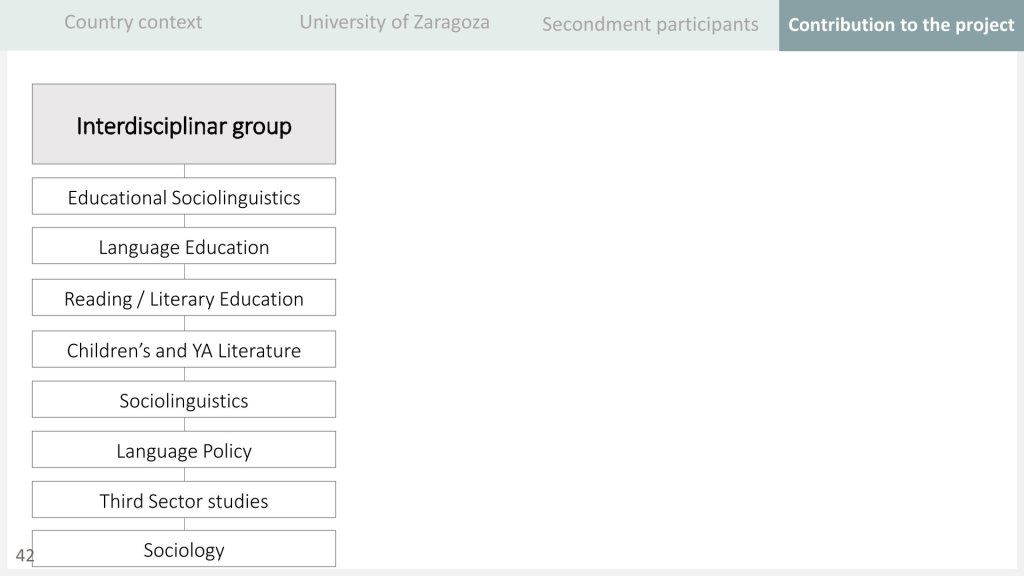
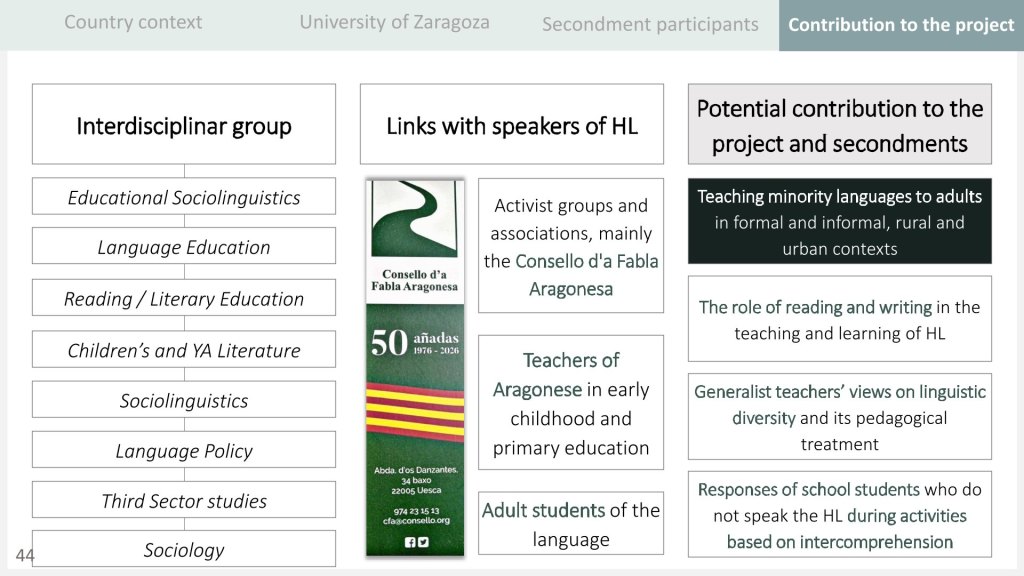
Her research lines focus on literary education. In all the projects she has led in this field, the situation of Aragonese as a minoritized language has been taken into account. She carries out a significant part of her knowledge transfer activities in the rural area of Upper Aragon (https://rojo.somontano.org/), where the Aragonese language is always considered in interventions and in the selection of heritage readings.
 LOCALLING